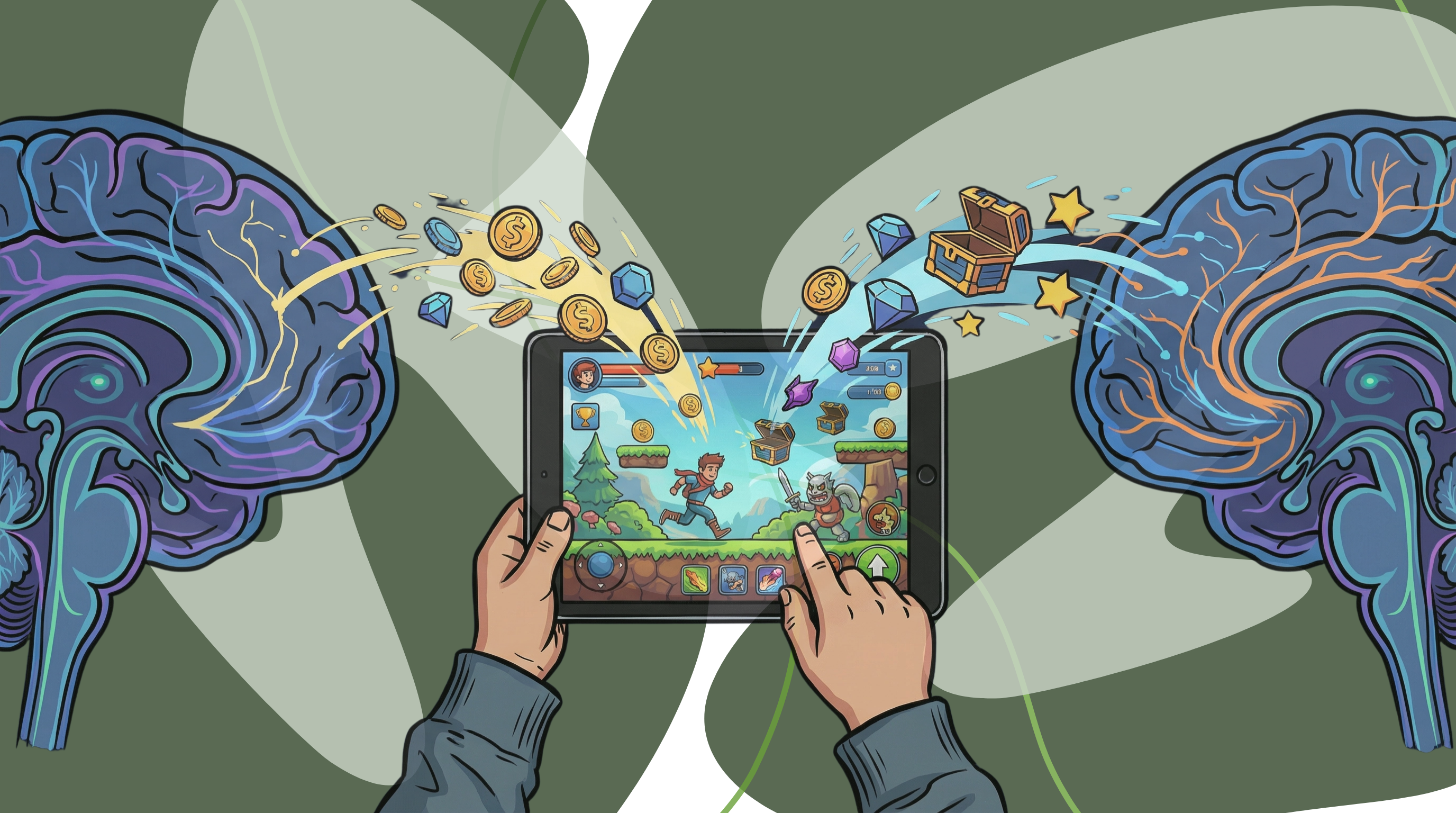
Build Empowered Thinking Before Risky Behaviors Begin
A prevention-first education program designed to help students recognize, comprehend, and make informed decisions about gambling in today's digital world.
The Problem
Gambling Is Already in Their World
Gambling exposure among youth is no longer limited to traditional betting environments. Today's students encounter gambling-like systems every day through apps, games, and influencer marketing.
Digital Exposure
Students encounter gambling-like systems through sports betting, online games, and social media promotions.
Designed to Hook
Many systems feel entertaining and low-risk, making it difficult for young people to recognize potential harm.
Education Gap
Standardized prevention education addressing gambling risk remains limited in most school settings.
The Solution
Prevention Through Understanding, Not Restriction
B.E.T. is a structured, school-ready prevention curriculum with a 7-lesson framework. The program emphasizes awareness, personal responsibility, and future-focused thinking without fear-based messaging.
How gambling works in modern digital environments
How reward systems influence behavior
How media and social pressure normalize risk
How financial decisions impact long-term goals
How to recognize warning signs and seek support
How to make intentional decisions under pressure
Curriculum Snapshot
7 Lessons That Build Lasting Awareness
Gambling in Today's World
Recognizing modern forms of gambling and gambling-like systems.
How Gambling Affects the Brain
Understanding reward loops and emotional triggers.
Money, Odds, and Reality
Exploring financial literacy and opportunity cost.
Media, Influencers, and Pressure
Analyzing how gambling is marketed and normalized.
Warning Signs and Mental Health
Identifying early patterns and knowing when to seek help.
Decision-Making Under Pressure
Practicing intentional responses in high-pressure situations.
Personal Action Plan
Connecting learning to values, goals, and commitments.
Upon Completion
Certificate of Participation
Includes a final knowledge check and recognition of student achievement.
Media Literacy Skills
Financial Awareness
Emotional Insight
Decision-Making Confidence
Personal Accountability
Future-Focused Thinking
Why It Works
Understanding Over Restriction
Interactive lessons and real-world scenarios help students apply learning to everyday situations, improving retention and long-term impact.
B.E.T. supports health education standards, social-emotional learning frameworks, and financial literacy initiatives.
Who It's For